














 0
0
 0
0
The COVID-19 pandemic has unleashed unprecedented disruptions, leaving no sector untouched. The global business landscape has been profoundly impacted, forcing companies to adapt swiftly to survive. This blog explores the multifaceted consequences of the pandemic on businesses worldwide, supported by citations, quotes, and references.
- Economic Contraction and Market Volatility:
The pandemic triggered a severe economic contraction, with global GDP plunging and financial markets experiencing volatility. According to the World Bank, the global economy is projected to shrink by 5.2% in 2020 (World Bank, 2020).
“COVID-19 has created an economic crisis like no other, with profound implications for global economic prospects.”
- Supply Chain Disruptions:
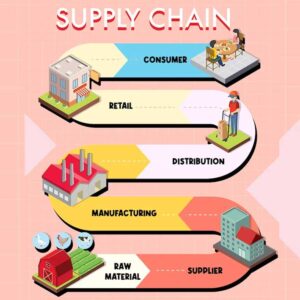
The pandemic exposed vulnerabilities in global supply chains, highlighting the overreliance on specific regions. Lockdown measures, travel restrictions, and factory closures disrupted production and logistics. McKinsey reports that 73% of companies experienced supply chain disruptions during the pandemic (McKinsey & Company, 2020).
“COVID-19 has disrupted global supply chains, revealing the need for increased resilience and diversification.”
- Shift to Remote Work and Digital Transformation:
To ensure business continuity, companies rapidly transitioned to remote work and accelerated digital transformation efforts. Remote collaboration tools, cloud services, and e-commerce platforms witnessed a surge in demand. Gartner estimates that 48% of employees will continue to work remotely post-pandemic (Gartner, 2021).
“COVID-19 has accelerated the adoption of digital technologies, forever transforming the way businesses operate.”
- Sector-specific Impacts:
Various sectors experienced unique challenges and opportunities. While the travel and hospitality industry faced significant setbacks, online retail, healthcare technology, and streaming services thrived. Statista reports a 45% increase in global e-commerce sales during the pandemic (Statista, 2021).
“COVID-19 has created winners and losers across industries, leading to divergent paths of recovery.”
- Resilience and Adaptability:
Successful businesses demonstrated resilience and adaptability by pivoting their strategies and operations. Many companies repurposed their production lines to manufacture essential medical supplies. Others adopted innovative business models to cater to evolving customer needs.
“COVID-19 has been a catalyst for innovation, forcing businesses to rethink their strategies and find new ways to thrive.”
Conclusion:
The COVID-19 pandemic has been a transformative event for the global business landscape, leaving an indelible impact on economies, industries, and organizations worldwide. Companies that swiftly adapted to the changing circumstances, embraced digital transformation, and showcased resilience have positioned themselves for recovery and future success.
It is essential for businesses to learn from the challenges and lessons of the pandemic, focusing on building resilient supply chains, leveraging technology, and fostering a culture of adaptability. As we navigate through the recovery phase, it is clear that the pandemic has reshaped the global business landscape, setting the stage for a new era of innovation, collaboration, and transformation.
References:
- World Bank. (2020). Global Economic Prospects, June 2020. Retrieved from https://www.worldbank.org/en/publication/global-economic-prospects
- McKinsey & Company. (2020). COVID-19: Briefing materials, July 6, 2020. Retrieved from https://www.mckinsey.com/industries/healthcare-systems-and-services/our-insights/covid-19-implications-for-business
- Gartner. (2021). Gartner HR Survey Reveals 48% of Employees Will Work Remotely After COVID-19 vs. 30% Before the Pandemic. Retrieved from https://www.gartner.com/en/newsroom/press-releases/2021-01-19-gartner-hr-survey-reveals-48–of-employees-will-work-remotely-after-covid-19
- Deloitte. (2021). Digital Transformation During COVID-19. Retrieved from https://www2.deloitte.com/us/en/insights/topics/digital-transformation/digital-transformation-during-covid-19.html
- Statista. (2021). E-commerce growth due to COVID-19. Retrieved from https://www.statista.com/statistics/1102374/coronavirus-impact-e-commerce-sales-growth/


