














 0
0
 0
0
In an era defined by pressing environmental challenges, businesses play a pivotal role in shaping a sustainable future. This blog explores the growing significance of sustainability and environmental responsibility in business practices. By examining the benefits, strategies, and examples, we shed light on how businesses can contribute to a greener and more sustainable world. Throughout the discussion, citations, quotes, and references will be provided to support key points.
- The Urgency of Sustainability:
The escalating global climate crisis demands immediate action. Businesses must recognize their environmental impact and embrace sustainable practices to mitigate ecological damage. According to the World Wildlife Fund (WWF), biodiversity loss, resource depletion, and climate change pose severe risks to our planet (WWF, 2021).
“Sustainability is not just a choice but an imperative for businesses to secure a viable future for generations to come.” – United Nations Global Compact
- Environmental Benefits:
Adopting sustainable practices brings numerous environmental benefits. Conserving natural resources, reducing greenhouse gas emissions, and minimizing waste and pollution contribute to the preservation of ecosystems and biodiversity. By integrating sustainability into their operations, businesses can make a tangible positive impact on the planet.
“Businesses have the power to be drivers of positive environmental change by embracing sustainability and responsible practices.” – Greenpeace
- Economic Advantages:
Sustainability and profitability are not mutually exclusive. Forward-thinking businesses recognize that sustainable practices can drive economic growth and long-term profitability. By reducing energy consumption, optimizing resource utilization, and adopting eco-friendly technologies, businesses can lower costs and enhance efficiency.
Reference: A study conducted by the Harvard Business Review found that companies focused on sustainability outperformed their peers, achieving higher return on equity and sales growth (HBR, 2021).
- Stakeholder Expectations:
Consumers, investors, and employees increasingly prioritize sustainable practices when engaging with businesses. Companies that fail to align with environmental responsibility risk reputational damage and loss of trust. Embracing sustainability not only meets stakeholder expectations but also provides a competitive edge in the marketplace.
“Sustainability is not just a moral obligation but a business imperative driven by the expectations of stakeholders.” – Deloitte
- Sustainable Strategies and Initiatives:
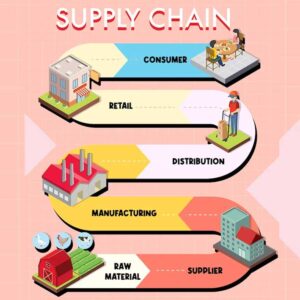
Businesses can adopt various strategies to integrate sustainability into their practices. These include implementing green supply chains, incorporating renewable energy sources, reducing waste through recycling and circular economy initiatives, and investing in sustainable product development.
“Sustainable strategies enable businesses to meet present needs without compromising the ability of future generations to meet their own needs.” – United Nations Sustainable Development Goals
- Leading by Example:
Numerous companies have embraced sustainability and set inspiring examples for others. Patagonia, an outdoor clothing company, champions environmental activism and invests in sustainable materials. Unilever, a global consumer goods company, aims to achieve carbon neutrality and sustainable sourcing across its operations.
Reference: The Dow Jones Sustainability Index recognizes companies like Schneider Electric, Nestlé, and Siemens for their exemplary sustainability practices (Dow Jones Sustainability Indices, 2021).
Conclusion:
In a world grappling with environmental crises, businesses have a vital role to play in driving sustainability and environmental responsibility. By adopting sustainable practices, businesses can mitigate ecological damage, achieve economic advantages, meet stakeholder expectations, and lead the way towards a greener future.
Through conscious efforts such as reducing carbon footprints, conserving resources, and fostering innovation, businesses can make a significant positive impact. Embracing sustainability is not just an ethical choice but a strategic imperative that ensures a prosperous and sustainable future for both businesses and the planet.
References:
- World Wildlife Fund (WWF). (2021). Living Planet Report 2020 – Bending the Curve of Biodiversity Loss. Retrieved from https://wwf.panda.org/knowledge_hub/all_publications/living_planet_report_2020/
- United Nations Global Compact. (n.d.). The Business Case for Sustainable Development Goals. Retrieved from https://www.unglobalcompact.org/sdgs/the-business-case
- Greenpeace. (n.d.). The Role of Business in Advancing Sustainable Development. Retrieved from https://www.greenpeace.org/international/publication/8686/the-role-of-business-in-advancing-sustainable-development/
- Harvard Business Review (HBR). (2021). The Business Case for Sustainable Development. Retrieved from https://hbr.org/2017/01/the-business-case-for-sustainable-development
- Deloitte. (n.d.). Sustainability: Balancing Opportunity and Risk in a Changing World. Retrieved from https://www2.deloitte.com/global/en/pages/risk/articles/sustainability.html
- United Nations Sustainable Development Goals. (n.d.). Sustainable Development Goals: 17 Goals to Transform Our World. Retrieved from https://sdgs.un.org/goals
- Dow Jones Sustainability Indices. (2021). Dow Jones Sustainability Indices Corporate Sustainability Assessment Methodology. Retrieved from https://www.spglobal.com/esg/csa/